How to Use AI for Research: A Smart 2026 Workflow
A practical guide to using AI for academic research, market research, and competitive analysis. Tools and techniques that work.
Short answer
For AI-assisted research, match the tool to the stage: Perplexity for quick web research with cited sources, NotebookLM (free) for questions answered only from uploaded documents, Claude's 200K context for analyzing long reports, ChatGPT for general research, and Elicit for finding academic papers. The post's workflow runs broad exploration in Perplexity, deep analysis of key documents in NotebookLM, cross-source synthesis in Claude, verification against original sources, then presentation with ChatGPT. Since AI can hallucinate, always cross-check citations and treat AI findings as a starting point, not the final word.
AI research tools have matured dramatically. Instead of manually reading dozens of papers or scrolling through search results, you can now get sourced, synthesized answers in seconds. Here's how to use AI effectively for any type of research.
AI Research Tools Compared
| Tool | Best For | Price | Key Strength |
|---|---|---|---|
| Perplexity | Web research with sources | Free/$20/mo | Cited answers with links |
| NotebookLM | Document analysis | Free | Upload papers, ask questions |
| Claude | Long document analysis | Free/$20/mo | 200K context, deep reasoning |
| ChatGPT | General research | Free/$20/mo | Web search + code interpreter |
| Elicit | Academic papers | Free/$10/mo | Find and analyze papers |
Best for Quick Research: Perplexity
Perplexity is the best AI for quick, sourced research. Ask any question and get an answer with numbered citations linking to original sources. The Pro version ($20/mo) uses GPT-5 and Claude for more detailed analysis and supports file uploads.
Best for Document Analysis: NotebookLM
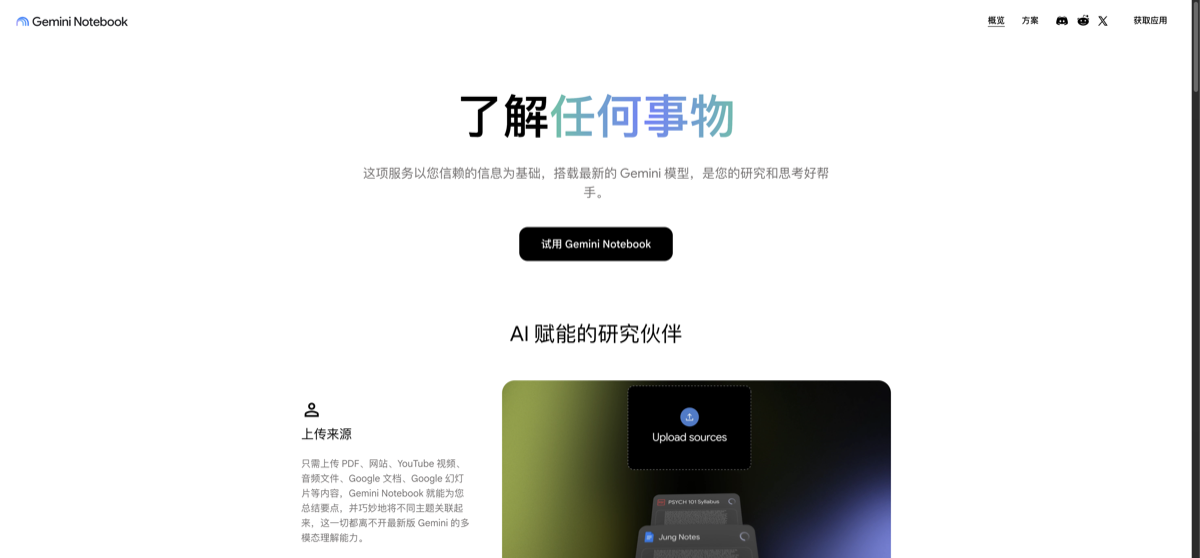
Google's NotebookLM lets you upload documents (PDFs, articles, transcripts) and ask questions about them. It only answers from your uploaded sources, making it reliable for academic work. Use it to analyze research papers, interview transcripts, or market reports.
Best for Deep Analysis: Claude
Claude's 200K context window handles massive documents — upload a 300-page report and ask nuanced questions. Its reasoning ability makes it excellent for synthesizing information across multiple sources and identifying patterns.
Research Workflow with AI
Step-by-step AI research process:
- Start broad: Use Perplexity for initial exploration of a topic
- Go deep: Upload key documents to NotebookLM for detailed analysis
- Synthesize: Use Claude to connect findings across multiple sources
- Verify: Cross-check AI findings with original sources
- Present: Use ChatGPT to organize findings into reports or presentations
Important: Always Verify AI Research
Research best practices:
- AI can hallucinate — always check citations and data points
- Use AI as a starting point, not the final word
- Cross-reference findings with primary sources
- Note when AI's training data was last updated
- For academic work, AI assists but your analysis must be original
FAQ
- Is it okay to use AI for academic research?
- AI is a powerful research assistant. Use it to find sources, summarize papers, and organize ideas. But your analysis, arguments, and conclusions must be your own.
- Which AI is best for finding academic papers?
- Elicit specializes in academic paper discovery. Perplexity Pro also searches academic databases effectively.
Related Tools
Related Articles
Get the AI tools newsletter
Weekly picks: new tools, comparisons and buying notes. No spam, unsubscribe anytime.